Opening a restaurant in India is an exciting business opportunity, but success depends heavily on choosing the right equipment from the beginning. Many restaurant owners spend months perfecting their menu and interiors but overlook the importance of kitchen equipment planning.
The reality is simple: even the best chefs cannot consistently deliver quality food using the wrong equipment.
From cooking and refrigeration to storage and food preparation, every piece of equipment plays a role in maintaining efficiency, food quality, hygiene, and profitability.
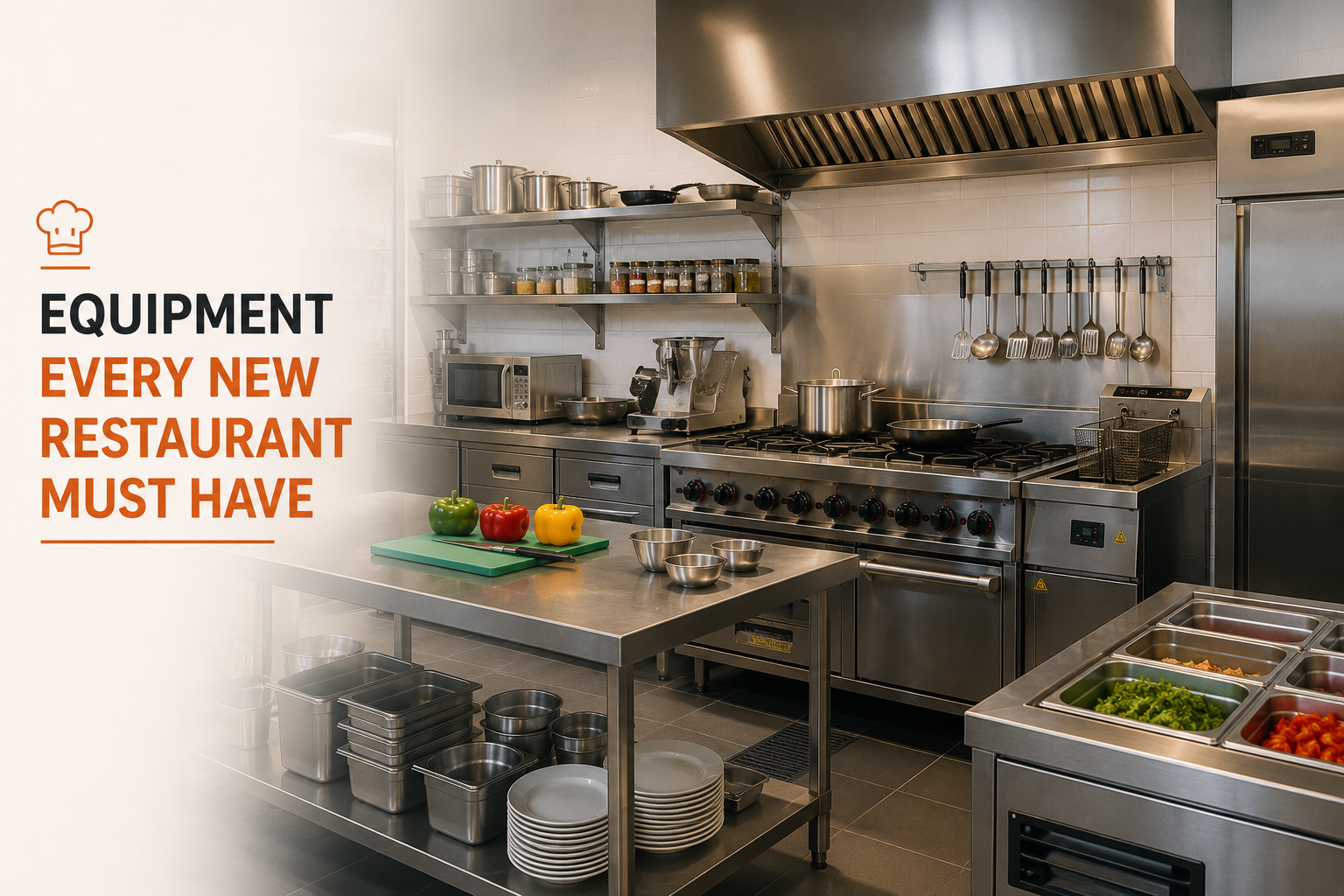
This guide provides a complete restaurant equipment checklist for new restaurant owners in India and explains what equipment is essential from day one.
Why Equipment Planning Matters
Commercial kitchen equipment directly impacts:
- Food quality
- Service speed
- Staff productivity
- Operating costs
- Customer satisfaction
Poor equipment planning often leads to:
- Delayed orders
- High maintenance costs
- Food wastage
- Staff frustration
- Lower profits
A well-planned kitchen creates smoother operations and better customer experiences.
Step 1: Cooking Equipment
Cooking equipment forms the heart of any restaurant kitchen.
The exact requirements depend on your menu.
Commercial Gas Range
Used for:
- Curries
- Sauces
- Stir-fry dishes
- General cooking
Commercial Oven
Useful for:
- Baking
- Roasting
- Grilling
Conveyor Pizza Oven
Ideal for:
- Pizza restaurants
- Cafes
- Cloud kitchens
Deck Oven
Suitable for:
- Artisan pizza
- Bakery products
Deep Fryer
Required for:
- French fries
- Snacks
- Fried items
Griddle Plate
Useful for:
- Burgers
- Sandwiches
- Breakfast items
Step 2: Refrigeration Equipment
Food safety depends on proper refrigeration.
Upright Refrigerator
Stores:
- Dairy products
- Vegetables
- Sauces
Deep Freezer
Stores:
- Frozen food
- Ice cream
- Frozen ingredients
Undercounter Refrigerator
Provides easy access during food preparation.
Display Refrigerator
Ideal for:
- Cakes
- Desserts
- Cold beverages
Investing in quality refrigeration reduces food waste.
Step 3: Food Preparation Equipment
Preparation equipment improves speed and consistency.
Work Tables
Stainless steel preparation tables are standard.
Vegetable Cutter
Reduces preparation time.
Dough Mixer
Essential for:
- Pizza
- Bakery operations
Food Processor
Useful for:
- Chopping
- Grinding
- Mixing
Blender
Required for:
- Shakes
- Smoothies
- Sauces
Efficient prep equipment increases kitchen productivity.
Step 4: Beverage Equipment
Restaurants increasingly generate revenue from beverages.
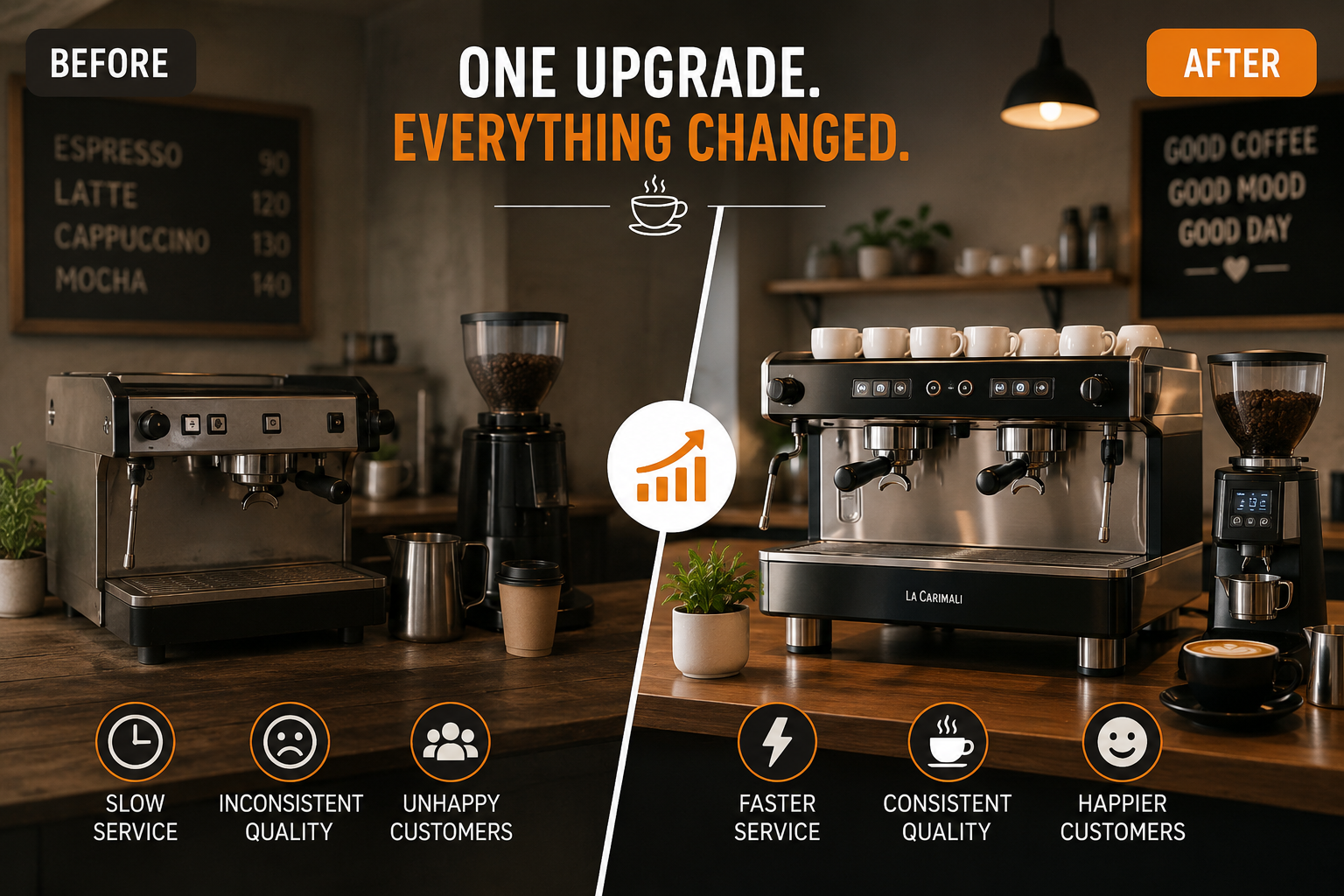
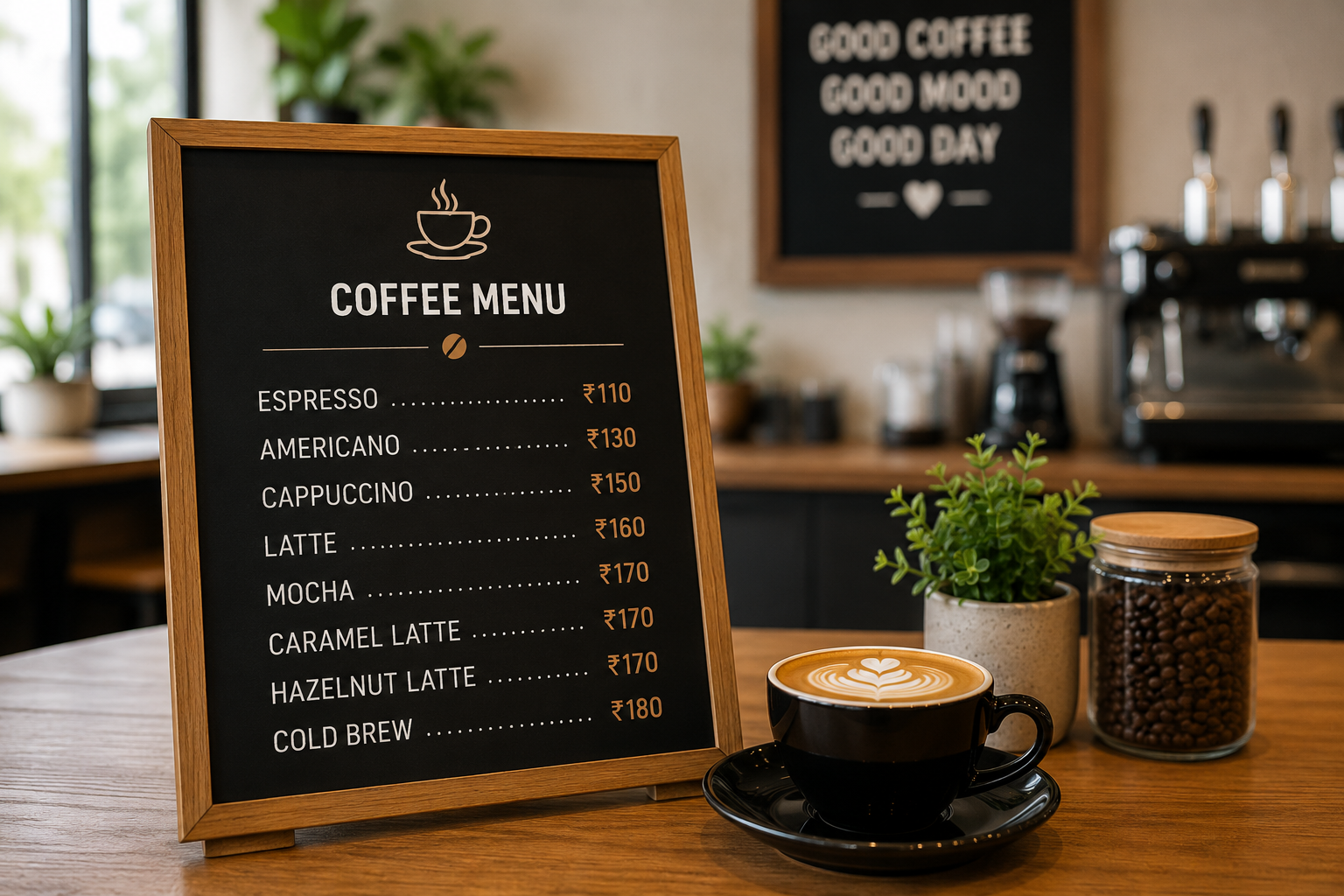
Commercial Coffee Machine
Ideal for:
- Espresso
- Cappuccino
- Latte
Coffee Grinder
Freshly ground coffee improves quality.
Water Filtration System
Protects coffee equipment and improves taste.
Juice Machine
Useful for fresh beverages.
Ice Machine
Essential for:
- Mocktails
- Soft drinks
- Cold coffee
Beverage sales often improve profit margins.
Step 5: Storage Equipment
Proper storage supports food safety and inventory control.
Storage Racks
Organize ingredients efficiently.
Dry Storage Shelves
Used for:
- Packaging
- Dry goods
- Supplies
Ingredient Containers
Protect food quality.
Walk-In Storage (Large Restaurants)
Provides higher capacity.
Good storage reduces waste and improves workflow.
Step 6: Cleaning Equipment
Cleanliness is critical in food businesses.
Three-Compartment Sink
Commonly required for cleaning operations.
Hand Wash Station
Supports hygiene compliance.
Dishwasher
Improves efficiency in busy restaurants.
Cleaning Tools
Include:
- Brushes
- Sanitizers
- Mops
Proper cleaning equipment protects food safety standards.
Step 7: Service Equipment
Front-of-house equipment improves customer experience.
POS System
Handles:
- Billing
- Orders
- Reporting
Receipt Printer
Speeds transactions.
QR Payment Setup
Essential for modern operations.
Order Display System
Improves communication between service and kitchen teams.
Technology helps streamline operations.
Step 8: Ventilation Equipment
Commercial kitchens generate heat, smoke, and grease.
Exhaust Hood
Removes smoke and fumes.
Exhaust Fan
Improves airflow.
Fresh Air System
Enhances kitchen comfort.
Good ventilation protects equipment and staff.
Step 9: Safety Equipment
Every restaurant should prioritize safety.
Fire Extinguishers
Mandatory in most kitchens.
Gas Leak Detector
Useful for gas-based operations.
First Aid Kit
Required for workplace safety.
Emergency Lighting
Improves preparedness.
Safety equipment should never be ignored.
Restaurant Equipment Checklist by Business Type
Small Cafe
Essential Equipment:
- Coffee machine
- Grinder
- Refrigerator
- Blender
- Sandwich grill
- POS system
Pizza Restaurant
Essential Equipment:
- Conveyor oven
- Dough mixer
- Refrigeration
- Preparation tables
- POS system
Full-Service Restaurant
Essential Equipment:
- Gas range
- Refrigerator
- Freezer
- Preparation equipment
- Dishwasher
- Ventilation system
Different restaurant concepts require different equipment strategies.
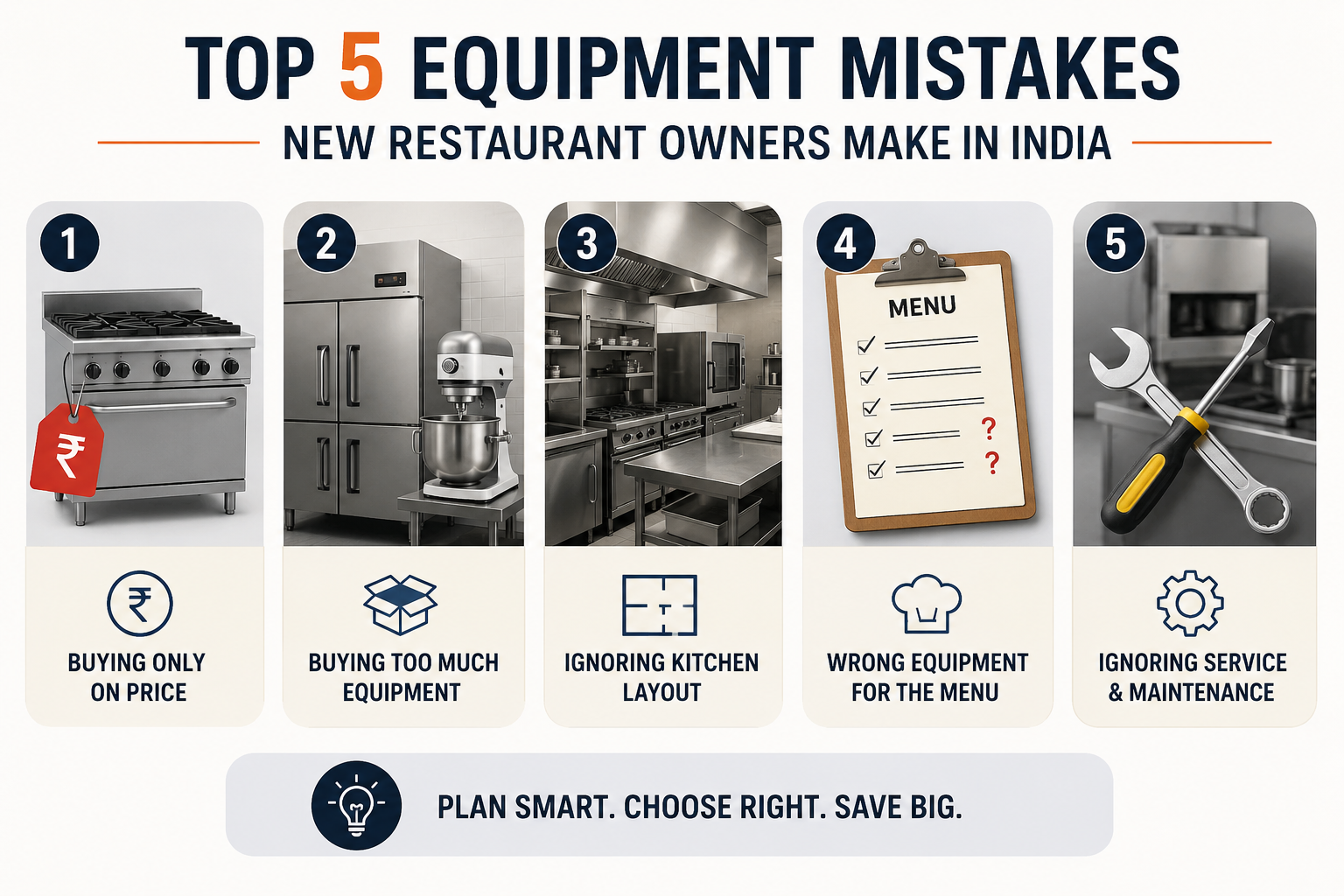
Common Equipment Buying Mistakes
Buying Cheap Equipment
Low upfront cost often results in:
- Frequent breakdowns
- High repair costs
- Poor performance
Buying Too Much Equipment
Unnecessary purchases increase startup costs.
Ignoring Future Growth
Equipment should support future expansion.
Poor Kitchen Layout Planning
Even good equipment performs poorly in a poorly designed kitchen.
Avoid these mistakes whenever possible.
New vs Used Equipment
Many new restaurant owners ask whether used equipment is worth considering.
New Equipment Advantages
- Warranty
- Better efficiency
- Lower maintenance
Used Equipment Advantages
- Lower purchase cost
However, used equipment should always be inspected carefully before purchase.
How Much Does Restaurant Equipment Cost?
Approximate investment ranges:
Small Cafe
₹2–10 Lakh
Medium Restaurant
₹5–25 Lakh
Large Restaurant
₹20–50+ Lakh
Actual costs depend on menu, capacity, and equipment quality.
Why Quality Equipment Is an Investment
Good equipment provides:
- Better food quality
- Faster service
- Lower maintenance costs
- Improved reliability
- Longer lifespan
The cheapest option is rarely the most profitable option.
Why Neelkanth Enterprise Helps Restaurant Owners Choose the Right Equipment
At Neelkanth Enterprise, we help restaurants, cafes, bakeries, cloud kitchens, and food businesses select commercial equipment that matches their operational needs.
We provide solutions for:
- Coffee machines
- Pizza ovens
- Refrigeration
- Food preparation equipment
- Commercial kitchen setups
Our goal is helping businesses invest wisely and operate efficiently from day one.
Conclusion
Opening a restaurant requires more than a good menu and attractive interiors. Success depends on building a kitchen equipped to deliver consistent quality, efficient operations, and reliable performance.
By planning equipment carefully and investing in the right tools from the start, restaurant owners can reduce operating costs, improve productivity, and create a better customer experience.
The right equipment is not simply a purchase—it is the foundation of a successful restaurant business.
FAQs
What equipment is essential for a new restaurant?
Cooking equipment, refrigeration, preparation equipment, storage solutions, cleaning systems, and POS technology are all essential.
How much should I budget for restaurant equipment?
Small restaurants may require ₹2–10 lakh, while larger operations may require significantly more.
Is used restaurant equipment worth buying?
It can be, but only after careful inspection and evaluation.
Why is commercial refrigeration important?
It protects food safety, reduces waste, and supports operational efficiency.
What is the most important piece of restaurant equipment?
The answer depends on your menu, but cooking and refrigeration equipment are usually the highest priorities.